
The Pitfalls of Patching: Choosing the Right Compound for Moving Cracks
Every surface coating professional knows the golden rule of concrete: it’s guaranteed to get hard, and it’s guaranteed to crack.
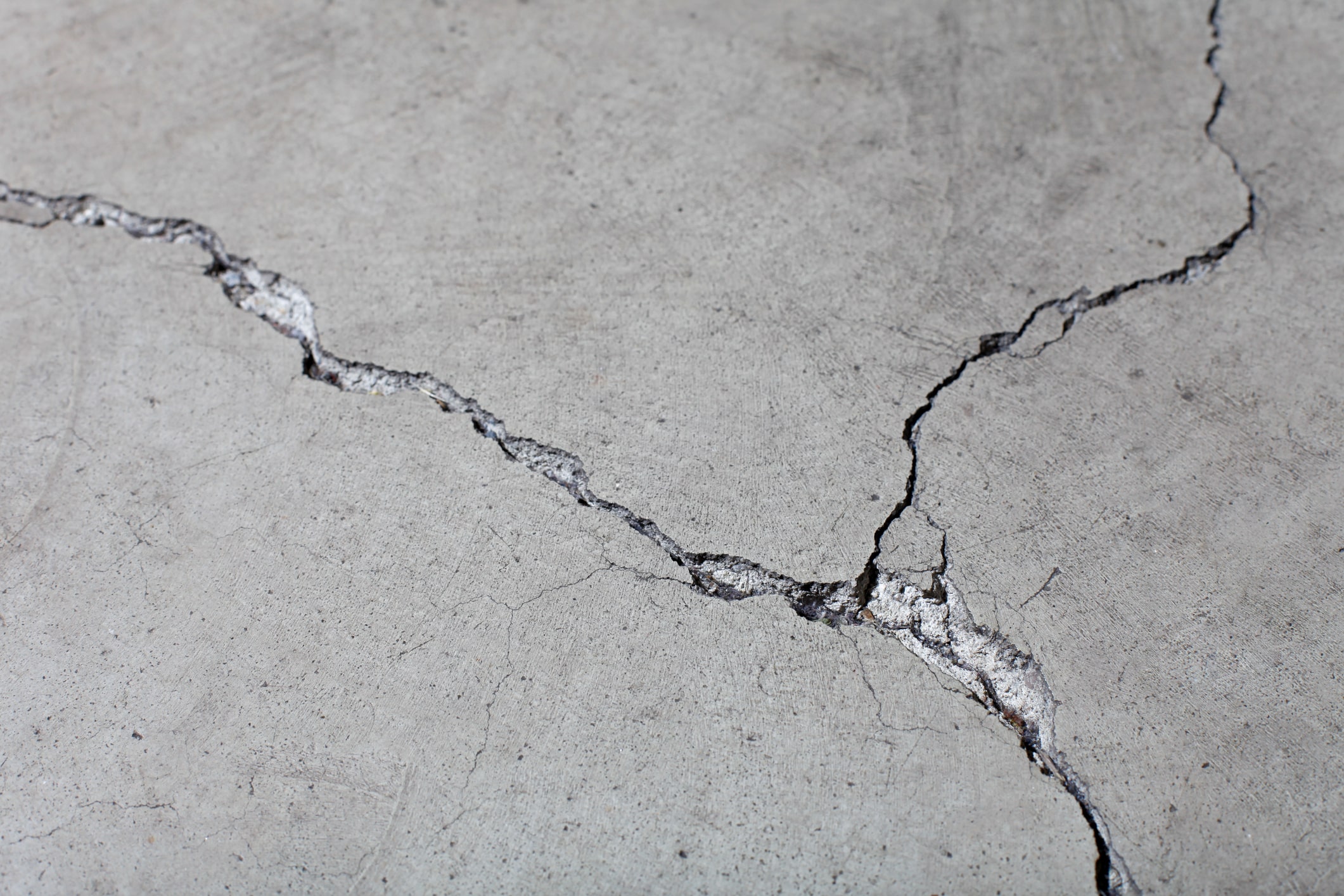
As an installer, your job isn't to prevent concrete from behaving like concrete; your job is to manage those imperfections so your premium topcoat looks flawless for years to come. However, one of the most common—and expensive—mistakes in the resinous flooring industry happens before the base coat is even mixed. It comes down to fundamentally misunderstanding how to treat a crack.
If you treat every fissure, joint, and spall with the exact same patching compound, you are setting yourself up for catastrophic failure. Let’s break down the critical difference between rigid epoxy fillers and flexible polyurea crack-chasers, and why putting the wrong product in a moving joint will destroy your floor.
The Cost of Misdiagnosing the Slab
Industry data consistently shows that 70% to 80% of all resinous flooring failures are directly tied to improper substrate preparation. While a lot of that comes down to moisture or poor profiling, a massive chunk is due to improper crack and joint treatment.
Concrete is a dynamic, breathing material. It expands and contracts with thermal fluctuations, humidity changes, and the natural settling of the earth beneath it. When you lock a dynamic, moving slab together with an unyielding, rigid material, physics will eventually win. The pressure will build until the concrete snaps, tearing your beautiful, expensive topcoat right along with it.
Slab Diagnosis: Static vs. Dynamic Cracks
Rigid Epoxy Fillers: The Unyielding Anchor
Rigid epoxy patching compounds and pastes are the traditional go-to for floor prep. They are incredibly strong, often boasting a compressive strength far exceeding the concrete itself (sometimes pushing 10,000 PSI or more).
- The Chemistry: Epoxy fillers are designed to cure into a rock-hard, unyielding solid. They typically have an elongation rate of less than 5%, meaning they have virtually zero flexibility.
- Where They Belong: Rigid epoxies are perfect for static cracks, deep spalls, divots, and repairing damaged concrete edges. They recreate the structural integrity of the slab.
- The Pitfall: If you put a rigid epoxy into a dynamic control joint or a moving structural crack, you have effectively welded two moving plates of concrete together. When the slab shifts, the epoxy won't stretch. Instead, the pressure will cause the concrete to fracture directly next to your patch—a phenomenon known as "telegraphing." The crack mirrors itself right through your brand-new coating.
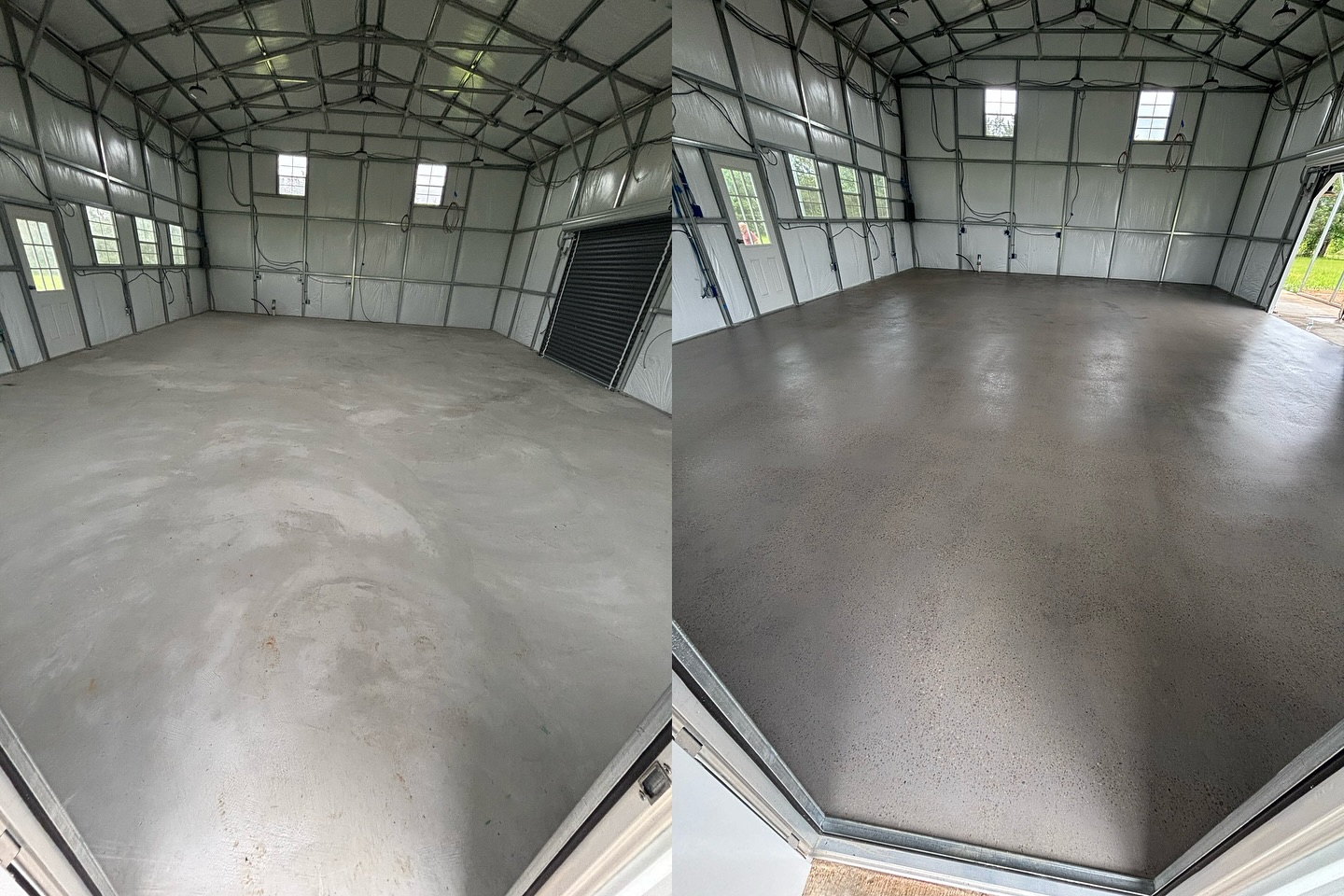
Flexible Polyurea & Elastomeric Fillers: The Shock Absorber
For joints and cracks that need to move, modern chemical engineering has given us polyurea and polyurethane elastomeric joint fillers.
- The Chemistry: Unlike epoxy, flexible polyurea is essentially a high-performance rubber. While still durable enough to handle heavy forklift traffic (usually measuring around a Shore A 80-90 hardness), these compounds boast an elongation rate of 200% to over 600%.
- Where They Belong: These are engineered specifically for saw cuts, expansion joints, and active structural cracks.
- The Advantage: When the slab expands or contracts due to temperature swings, the polyurea acts as a shock absorber. It stretches and compresses with the concrete, keeping the joint completely sealed without transferring the mechanical stress to the adjacent concrete or your topcoat. Furthermore, many polyurea chasers are rapid-cure, allowing you to shave them flush and coat over them in less than an hour.
Best Practices for Flawless Patching
To ensure you never have a patch telegraph through your finish, follow these strict preparation protocols:
- Always Chase the Crack: Never just smear filler over a crack. Use a 7-inch grinder with a V-groove or U-groove diamond blade to chase the crack open. This provides fresh, clean concrete walls for the filler to bond to.
- Vacuum Thoroughly: Any remaining concrete dust acts as a bond-breaker. The inside of the joint must be pristine.
- Overfill and Shave: Whether using epoxy or polyurea, slightly overfill the joint. Once it is semi-cured, use a floor scraper or a specialized shaving tool to cut the filler perfectly flush with the concrete surface. If it dips below or sits above the concrete, the imperfection will show through your final topcoat.
- Honor the Expansion Joints: If a building has major structural expansion joints, do not coat over them. Fill them with an elastomeric compound, but leave them exposed. Coating over a true expansion joint is a guaranteed delamination claim waiting to happen.
The Bottom Line
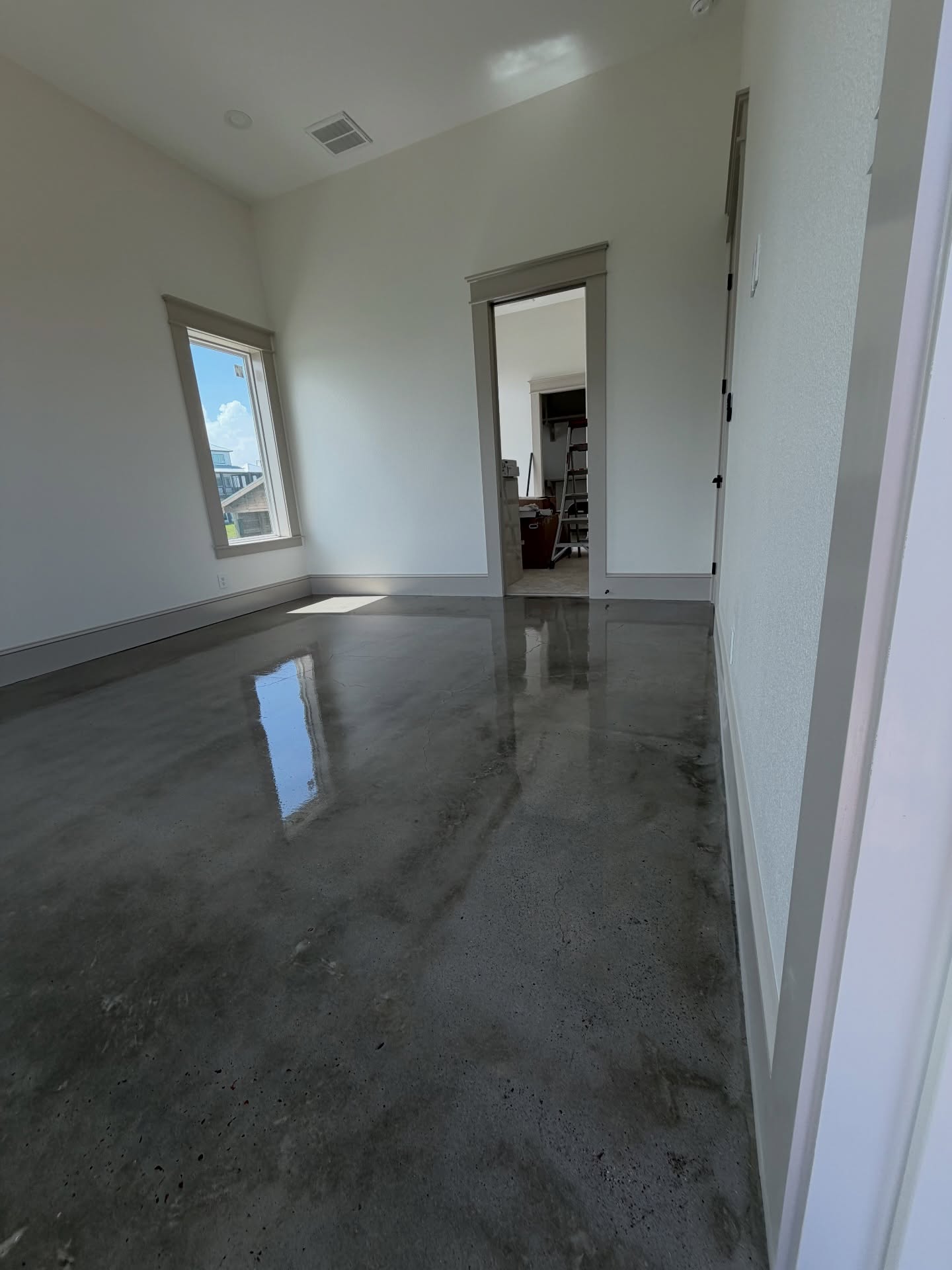
A professional installer's reputation is built on longevity. Your floors must look as good on day 1,000 as they do on day 1. By treating static imperfections with rigid epoxy and respecting moving joints with flexible polyurea, you completely eliminate the most common cause of premature floor failure. Master the physics of the slab, choose the right chemistry, and stop paying for avoidable callbacks.